





#orijinal1.3M posts
Hashtag StatsBased on recent activity
Total Posts
—Avg. Views
1,036,837Best Performing Reel View
8,525,353 ViewsAnalyzed Creators
11Performance Context
Initial Batch12 reels analyzed
Trending Feed
12 posts loaded
5,231
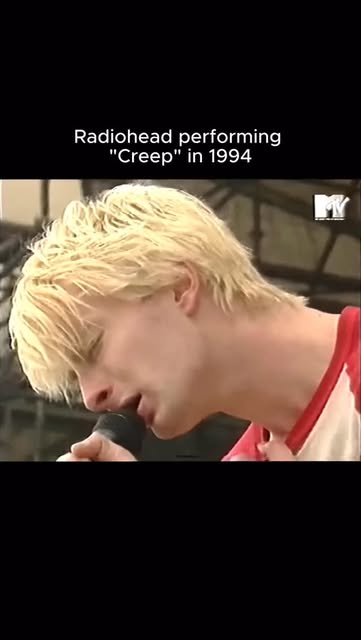
Radiohead wrote “Creep” in 1992, and it was released in 1993 as part of their debut album Pablo Honey. The song was mainly written by Thom Yorke and is about feeling like an outsider — obsessing over someone you think is perfect while believing you’re not good enough for them. Yorke has said the lyrics came from his own experiences of insecurity and unrequited attraction, capturing a deep sense of self-doubt, isolation, and longing to belong. Lines like “I’m a creep, I’m a weirdo” reflect raw vulnerability, which made the song intensely personal for him, even though he later grew tired of how much it defined the band early on. - - Follow @curiocity.official for more - - #Radiohead #Creep #ThomYorke #90sMusic #AlternativeRock PabloHoney MusicHistory RockClassics GrungeEra IconicSongs

82,406
“Creep” is the haunting breakthrough single by Radiohead, originally released in 1992 and later featured on their debut album Pablo Honey. Built on quiet vulnerability and explosive distortion, the song captures feelings of alienation, insecurity, and longing. Thom Yorke’s fragile verses suddenly erupt into that iconic, crashing guitar refrain — a raw contrast that made “Creep” unforgettable. Though it was initially overlooked in the UK, the track became a massive international hit, launching Radiohead into global recognition. Over time, it evolved from a grunge-era anthem into a timeless confession that still resonates with anyone who’s ever felt out of place. Soft. Loud. Painfully honest. Song Credit: Creep ~ Radiohead #Radiohead #Creep #PabloHoney #90sAlternative #GrungeEra
3,095
When Radiohead released “Creep” in 1992, no one not even the band expected it to become the anthem of alienation for an entire generation. The song was written by a young, insecure Thom Yorke after he became infatuated with a woman he felt was impossibly out of his league. He followed her around at university, too shy to speak honestly, overwhelmed by the belief that he simply didn’t belong in her world. That painful self awareness turned into lyrics that would echo across decades: “I’m a creep, I’m a weirdo.” It wasn’t poetry polished for radio it was raw confession. Ironically, the band didn’t even love the track at first. During recording, guitarist Jonny Greenwood slammed harsh, explosive guitar chords into the quiet verses, trying to sabotage what he thought was too soft. Instead, those jagged bursts became the song’s emotional breaking point the sound of frustration cracking open. At first, “Creep” flopped in the UK. It was even pulled from the BBC for being “too depressing.” But in the United States, the song quietly found its people. College radio embraced it. Outsiders embraced it. Anyone who had ever felt invisible, unworthy, or out of place heard themselves in it. By 1993, “Creep” had exploded globally, turning Radiohead into reluctant stars. For Yorke, the song became both a blessing and a burden. He grew tired of being defined by a single moment of vulnerability. Yet fans never let it go because it wasn’t just his story anymore. It was theirs. More than 30 years later, “Creep” still plays in bedrooms, in headphones on late night train rides, in the quiet spaces where doubt creeps in. It reminds us that feeling broken doesn’t make you alone. Sometimes the very thing you’re ashamed of becomes the reason millions feel understood. And maybe that’s why “Creep” never really fades. It’s not just a song. It’s a confession we’re still brave enough to sing out loud. #Radiohead #Creep #ThomYorke #90sMusic #AlternativeRock

8,525,353
This Radiohead Hit Was Never Meant to Be “Creep” – Radiohead (1993, Late Night with Conan O’Brien, New York City) “Creep” wasn’t intended to define Radiohead—or even be released. Written years before their debut album, it only made it onto Pablo Honey after producers pushed for something looser during the sessions. Thom Yorke offered the song half-reluctantly. Jonny Greenwood’s now-famous distorted guitar blasts were meant to disrupt the take, not shape it. But what was supposed to be a throwaway ended up catching a nerve—first in the U.S., then globally. The BBC rejected it as “too depressing.” The band didn’t expect it to land at all. Yet “Creep” became their breakout single, introducing them to a wide audience and locking them into a narrative they’d spend years trying to undo. This Conan performance captures the awkward moment when that accidental success was still unfolding—before the backlash, before the reinvention, and before the band took back control of their direction. — #CoverOfTheWeek #Radiohead #Creep #PabloHoney #ThomYorke #JonnyGreenwood #90sRock #AlternativeRock #LateNightTV #ConanObrien #MusicHistory #1993Performance #BritishRock #GrungeEra #LiveMusic

2,584
Radiohead - Creep According to Thom Yorke, “Creep” is about a drunk man who follows a woman who catches his interest in order to get her attention. In the end, he lacks the confidence to confront her and feels her presence in his subconscious. When asked about “Creep” in 1993, Yorke replied: Being a man in the 90s was really difficult for me... Every man with sensitivity or conscience towards the opposite sex experiences this problem. It's very difficult to act masculine without looking like a musician playing in a hard rock band... This comes back to the music we write. Our music isn't feminine, but it's not arrogantly cruel either. One of the things I always try to do is this: to present a sexual personality and, at the same time, desperately try to deny it. Jonny Greenwood said that this song is actually a happy song about “knowing oneself.” #lyrics #songlyrics #rockmusic #alternativerock #musicreels #lyricsvideo #fyp #discovermusic #oldbutgold

80
🎶 Creep — Radiohead Mais do que uma música — é imersão. Lançada em 1992, “Creep” se tornou o primeiro grande sucesso do Radiohead e apresentou a banda à cena alternativa dos anos 1990. A canção explora insegurança, autossabotagem e o sentimento de não pertencimento — emoções que ressoaram profundamente com toda uma geração. 🎥 𝗖𝘂𝗿𝗶𝗼𝘀𝗶𝗱𝗮𝗱𝗲𝘀 𝗲 𝗶𝗺𝗽𝗮𝗰𝘁𝗼 𝗰𝘂𝗹𝘁𝘂𝗿𝗮𝗹: A banda inicialmente se distanciou da música, com Thom Yorke se sentindo desconfortável com sua popularidade. O ataque distorcido de guitarra antes do refrão, tocado por Jonny Greenwood, foi quase acidental e acabou se tornando um dos elementos mais icônicos da faixa. “Creep” virou um hino para os excluídos e influenciou fortemente a cultura alternativa dos anos 90. A cinematografia crua do clipe e a iluminação fria reforçam a sensação de isolamento e exposição emocional. 🖤 Algumas músicas não envelhecem — elas nos definem. 🎧 Fones de ouvido recomendados 💬 Essa música te conforta… ou faz você se sentir visto(a)? Principais fatos Lançamento: 21 de setembro de 1992 Álbum: Pablo Honey (1993) Compositores: Thom Yorke, Jonny Greenwood, Colin Greenwood, Ed O’Brien, Phil Selway, Albert Hammond e Mike Hazlewood Produtores: Sean Slade e Paul Q. Kolderie Pico nas paradas: Nº 7 no Reino Unido (reedição de 1993), Nº 2 na Billboard Alternative
4,848
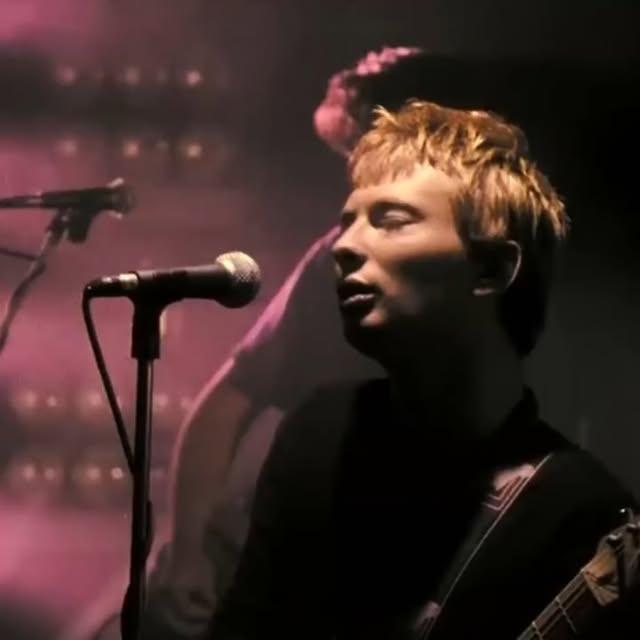
#historiasdeclasicos 😊 ✅ Radiohead - Creep 🔵 "Creep" (1992) de Radiohead, lanzada en el álbum Pablo Honey, surgió de las inseguridades juveniles y la alienación sentidas por Thom Yorke durante sus años universitarios, inspirada por una chica que siguió a distancia. Con su característico sonido de guitarra distorsionada, la canción se convirtió en un himno de rock alternativo mundial, a pesar de que la banda inicialmente se distanciara de ella por su inmenso éxito. Inspiración y composición: La letra fue escrita por Thom Yorke a los 19 años. Se describe como una confesión honesta sobre la admiración obsesiva, la baja autoestima y la sensación de no ser digno de alguien considerado "perfecto". El sonido de "Creep": Johnny Greenwood, guitarrista, añadió los famosos acordes de guitarra distorsionada (el "ruido" antes del coro) durante los ensayos. Originalmente, la canción era más acústica y lenta, pero la distorsión se añadió por frustración y para darle más intensidad. Lanzamiento y éxito: Lanzada el 22 de febrero de 1993, no tuvo éxito inmediato hasta que comenzó a sonar en la radio en Israel y luego en Estados Unidos. El desprecio de la banda: Radiohead llegó a odiar la canción porque eclipsó el resto de su trabajo, sintiéndose atrapados por la presión de repetir su sonido. Yorke llegó a referirse a ella como "Crap" (basura) en ocasiones, y dejaron de tocarla en vivo durante largos periodos. Demanda de plagio: La banda tuvo que compartir créditos de composición con Albert Hammond y Mike Hazlewood, ya que la canción tiene similitudes con "The Air That I Breathe The Air That I Breathe" de The Hollies. ▶ Somos la mejor música del mundo, las 24 horas. PLAY 1057.....Más música.
38,296
🥲🥲. Follow @pure.daily.post 📢 “Creep” is a song by the English rock band Radiohead, released in 1992 as their debut single and later included on their first album, Pablo Honey (1993). The song explores themes of insecurity, self-doubt, and feeling out of place, expressed through raw and emotional lyrics. Although it initially received mixed reactions, “Creep” became a massive hit worldwide, especially in the US, and helped bring Radiohead into the mainstream. Over time, the band developed a more experimental sound and had a complicated relationship with the song, but “Creep” remains one of their most iconic tracks and a defining anthem for outsiders and misfits.

3,154,429
#historiasdeclasicos ✅ Radiohead - Creep 🔵 La historia de "Creep", el mayor éxito comercial de Radiohead lanzado en 1992, es una mezcla de vulnerabilidad personal, accidentes en el estudio y una relación de amor-odio de la banda con su propio legado. Origen e inspiración La canción fue escrita por Thom Yorke a finales de los años 80 mientras estudiaba en la Universidad de Exeter. La inspiración provino de una joven a la que Yorke admiraba a la distancia y seguía ocasionalmente, sintiéndose inferior e incapaz de hablarle. Yorke ha descrito el tema como un reflejo de la ansiedad social y la lucha por afirmar una identidad masculina sensible en los años 90 sin parecer arrogante. El "accidente" que creó el sonido icónico Durante las grabaciones del álbum Pablo Honey, el guitarrista Jonny Greenwood no estaba convencido con la canción, pues le parecía demasiado suave o "débil". En un intento por "arruinarla" o sabotearla durante un ensayo, dio esos tres potentes golpes de guitarra distorsionada justo antes del estribillo. Irónicamente, esos ruidos se convirtieron en el gancho más reconocible del tema y los productores decidieron mantenerlos en la mezcla final. Trayectoria y éxito inesperado Inicio difícil: Al principio, la BBC prohibió la canción por considerarla "demasiado deprimente", y el sencillo inicial vendió solo 6,000 copias en el Reino Unido. El fenómeno global: El éxito comenzó inesperadamente en Israel gracias al DJ Yoav Kutner, y luego se extendió a Estados Unidos y el resto del mundo, convirtiéndose en un "himno de los inadaptados" similar a canciones de Nirvana o Beck. Problemas legales: Radiohead fue demandado por el parecido de la melodía con la canción de 1972 "The Air That I Breathe". Como resultado, Albert Hammond y Mike Hazlewood figuran hoy como coautores y reciben regalías. La relación de la banda con la canción A pesar de su éxito, Radiohead desarrolló un fuerte rechazo hacia "Creep": Cansancio: Se sintieron encasillados como una banda de un solo éxito (one-hit wonder), lo que generó tensiones durante años. 🌐 Ingresá en: www.grupolidermendoza.com 🔊 PLAY 105.7 — ¡La mejor música del mundo!
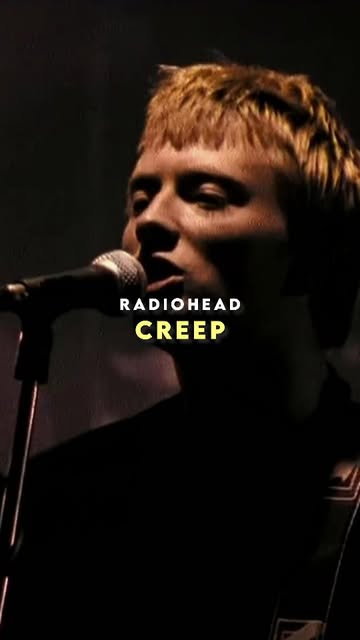
97,452
"Creep" is a song recorded by the English alternative rock band Radiohead for their debut album "Pablo Honey" (1993). The song explores themes of alienation, self-deprecation, and unrequited obsession. The lyrics tell the story of someone who has an obsessive attraction to another person whom they consider perfect and unattainable. The phrase "You're just like an angel, your skin makes me cry" illustrates an almost worshipping admiration for someone considered too beautiful and perfect. A strong contrast appears in the bridge and chorus, where the writer acknowledges that he feels like a "creep" and a "weirdo." The question "What the hell am I doing here?" and the statement "I don't belong here" show a painful self-awareness that he doesn't deserve to be in the world of the person he admires. Follow @songmeaning.id, leave comments, like, gift, save and share this post with friends who might enjoy this song! #radiohead #creep #thomyorke #pablohoney #songmeaningid #90s

519,054
Radiohead performing “Creep” Live at the Rock Am Ring Festival in May of 1994 What would become “Creep” can be traced back to a demo created by Thom Yorke when he was a student at Exeter University in England in 1987. The song was penned long before Radiohead came into existence, and they went by the name “On A Friday”. However, the song didn’t see the light of day until the recording sessions for “Pablo Hone,y” when the producers for the record asked the band if they had any new material they’d like to record. Thom responded to the request and said, “This is our Scott Walker song” before performing a rough take of the song. Both the producers present in the studio at the time were amazed by it and said, “Too bad their best song’s a cover.” The recording sessions for that record were very problematic, and it wasn’t until the band recorded this song that everything fell into place. Originally, Jonny Greenwood was tasked to write a piano part to accompany the song, but during the mixing sessions for the track,k Paul Kolderie forgot to include it and ended up adding it in the outro, which the band instantly approved of. Once the song was done, the producers believed in the song’s potential and asked EMI to put it out as a single, which was released on the 21st of September, 1992. The single tanked at the No. 78 position on the charts because it was deemed “too depressing”. It wasn’t until a couple of months later when an Israeli DJ named Yoav Kutner played the song on Israeli radio that it became a national hit. Soon after, the song found success in New Zealand, Spain, and the Scandinavian region. In the US, “Creep” became an underground hit in California after it was added to an alternative rock radio playlist in San Francisco. The single was reissued a year later, and the song peaked at No. 7, which prompted Radiohead’s career to take over after that. #Music #Radiohead

9,215
Radiohead - Creep" is the debut single by the English rock band Radiohead, released on 21 September 1992 by EMI. It was included on Radiohead's debut album, Pablo Honey (1993). It features "blasts" of guitar noise and lyrics describing an obsessive unrequited attraction. Radiohead had not planned to release "Creep", and recorded it at the suggestion of the producers, Sean Slade and Paul Q. Kolderie, while they were working on other songs. They took elements from the 1972 song "The Air That I Breathe" by Albert Hammond and Mike Hazlewood. Following legal action, Hammond and Hazlewood were credited as co-writers. Kolderie convinced EMI to release "Creep" as a single. It was initially unsuccessful, but achieved radio play in Israel and became popular on American alternative rock radio. Like Teen Spirit" by Nirvana and "Loser" by Beck. Reviews of "Creep" were mostly positive. EMI pressured Radiohead to match the success, which created tension during the recording of their second album, The Bends (1995). Radiohead departed from the style of "Creep" and grew weary of it, feeling it set narrow expectations of their music, and did not perform it for several years. Though they achieved greater commercial and critical success with later albums, "Creep" remains Radiohead's most successful single. Rolling Stone named it one of the greatest debut singles and included in the 2021 and 2024 editions of its "500 Greatest Songs of All Time".
Top Creators
Most active in #what-the-hell-am-i-doing-here-i-dont-belong-here
Semantic Clustering
Reels Graph Intelligence.
Advanced mapping of high-affinity Instagram Reels semantic patterns identified within the #what-the-hell-am-i-doing-here-i-dont-belong-here ecosystem.
Global DensityHigh Velocity
Affinity Score
97%
#belonging
High Reach
Affinity Score
97%
#belong
Strategic
Affinity Score
92%
#what am i doing
Niche Entry
Affinity Score
91%
#what i do
High Reach
Affinity Score
90%
#what do i do
Strategic
Affinity Score
89%
#i dont
Niche Entry
Affinity Score
86%
#what am i
High Reach
Affinity Score
81%
#what i am
Strategic
Affinity Score
83%
#belongs
Niche Entry
Affinity Score
81%
#what am i doing here
High Reach
Affinity Score
77%
#dont belong
Strategic
Affinity Score
74%
#belonge
Niche Entry
Strategic Implementation
Our semantic engine has identified these specific pattern clusters as high-affinity matches for #what-the-hell-am-i-doing-here-i-dont-belong-here. Integrated usage of #what-the-hell-am-i-doing-here-i-dont-belong-here with strategic Reels tags like #belonging and #belong is statistically linked to a significant increase in initial Reels discovery velocity.
In-Depth Hashtag Analysis: #what-the-hell-am-i-doing-here-i-dont-belong-here
Expert Review • June 3, 2026 • Based on 12 Reels
Executive Overview
#what-the-hell-am-i-doing-here-i-dont-belong-here is an actively used Instagram hashtag. Across the 12 trending reels analyzed on this page, the content has accumulated a combined total of 12,442,043 views— demonstrating exceptional viral potential within this content vertical. The top creator ecosystem features 8 notable accounts, led by @90srockvault with 8,525,353 total views. The hashtag's semantic network includes 16 related keywords such as #belonging, #belong, #what am i doing, indicating its position within a broader content cluster.
Avg. Views / Reel
1,036,837
12,442,043 totalViral Ceiling
8,525,353
Best Performing ReelUnique Creators
8
12 reels analyzedViewership & Reach Analysis
The 12 reels in this dataset have generated a combined 12,442,043 views, translating to an average of 1,036,837 views per reel. This exceptionally high average viewership indicates that content in this hashtag frequently hits the Explore page or Reels tab, driving massive exposure beyond the creator's immediate follower base.
Top Performing Reel
The highest-performing reel in this dataset received 8,525,353 views. This viral outlier performance is 822% of the average reel performance in this set. This significant gap between the top performer and the average highlights the "viral lottery" nature of this hashtag — breakout hits can achieve massive scale.
Content Overview & Top Creators
The #what-the-hell-am-i-doing-here-i-dont-belong-here ecosystem is dominated by short-form video content (Reels), aligning with Instagram's algorithmic preference for video-first distribution. There are 8 distinct accounts contributing to the trending feed. The top creator, @90srockvault, has contributed 1 reel with a total viewership of 8,525,353. The top three creators — @90srockvault, @grupolidermendoza, and @radioheaddecoded — together account for 98.1% of the total views in this dataset. The semantic network of #what-the-hell-am-i-doing-here-i-dont-belong-here extends across 16 related hashtags, including #belonging, #belong, #what am i doing, #what i do. Creators often use these tags together to reach overlapping audiences.
Discoverability & Reach Potential
The discoverability metrics for #what-the-hell-am-i-doing-here-i-dont-belong-here indicate an active content ecosystem. The average of 1,036,837 views per reel demonstrates consistent audience reach. For creators using #what-the-hell-am-i-doing-here-i-dont-belong-here, high-quality production and strong hooks in the first 1-2 seconds tend to perform best given the competition.
Analyst Verdict
#what-the-hell-am-i-doing-here-i-dont-belong-here demonstrates the hallmarks of a well-performing Instagram hashtag. With an average of 1,036,837 views per reel, the viewership metrics position this hashtag as a premium discovery vehicle. Creators like @90srockvault and @grupolidermendoza are leading the charge, setting viewership benchmarks for the community.
Frequently Asked Questions
Everything about #what-the-hell-am-i-doing-here-i-dont-belong-here on Instagram
Live Intelligence
Global Reels Trends
Explore high-velocity Instagram Reels hashtags currently shaping global discovery.
Frequently Asked Questions
How popular is the #what the hell am i doing here i dont belong here hashtag?
Currently, #what the hell am i doing here i dont belong here has over — public posts on Instagram. It is a highly active community focus area for creators and brands.
Can I download reels from #what the hell am i doing here i dont belong here anonymously?
Yes, Pikory allows you to view and download public reels tagged with #what the hell am i doing here i dont belong here without an account and without notifying the content creators.
What are the most related tags to #what the hell am i doing here i dont belong here?
Based on our semantic analysis, tags like #heres what, #what do i do, #what am i doing here are frequently used alongside #what the hell am i doing here i dont belong here.